From plant floor to top floor: How Process and Data Automation drives integration
Key Highlights
- Process and Data Automation (PDA) specializes in connecting plant-floor operational data to upper-level Industry 4.0 business systems via edge computing and remote connectivity to improve real-time collaboration and total cost of ownership.
- PDA's core business centers on maximizing overall equipment effectiveness (OEE) for consumer packaged goods (CPG) manufacturers, primarily individualizing standard machinery rather than building fully custom equipment.
- By utilizing smart alarming systems, PDA enables manufacturers to track performance trends and implement predictive maintenance routines that significantly reduce unplanned downtime.
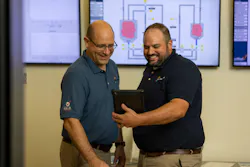
Founded in 2002, Process and Data Automation (PDA), part of the Krones Group, is a certified member of the Control System Integrators Association (CSIA). With more than 70 employees, almost half of them electrical engineers, PDA’s world-class team delivers innovative digitalization and automation to improve consumer packaged goods (CPG) production for the global community, says Jeremy Anderson, president of PDA, which integrates equipment at all phases of CPG manufacturing from raw material delivery and processing through packaging and into warehouses. “We routinely integrate 800-1,000 machines annually,” notes Anderson, who answered several questions about the company he leads.
Highlight some of your most innovative machine integrations, and explain what makes them unique.
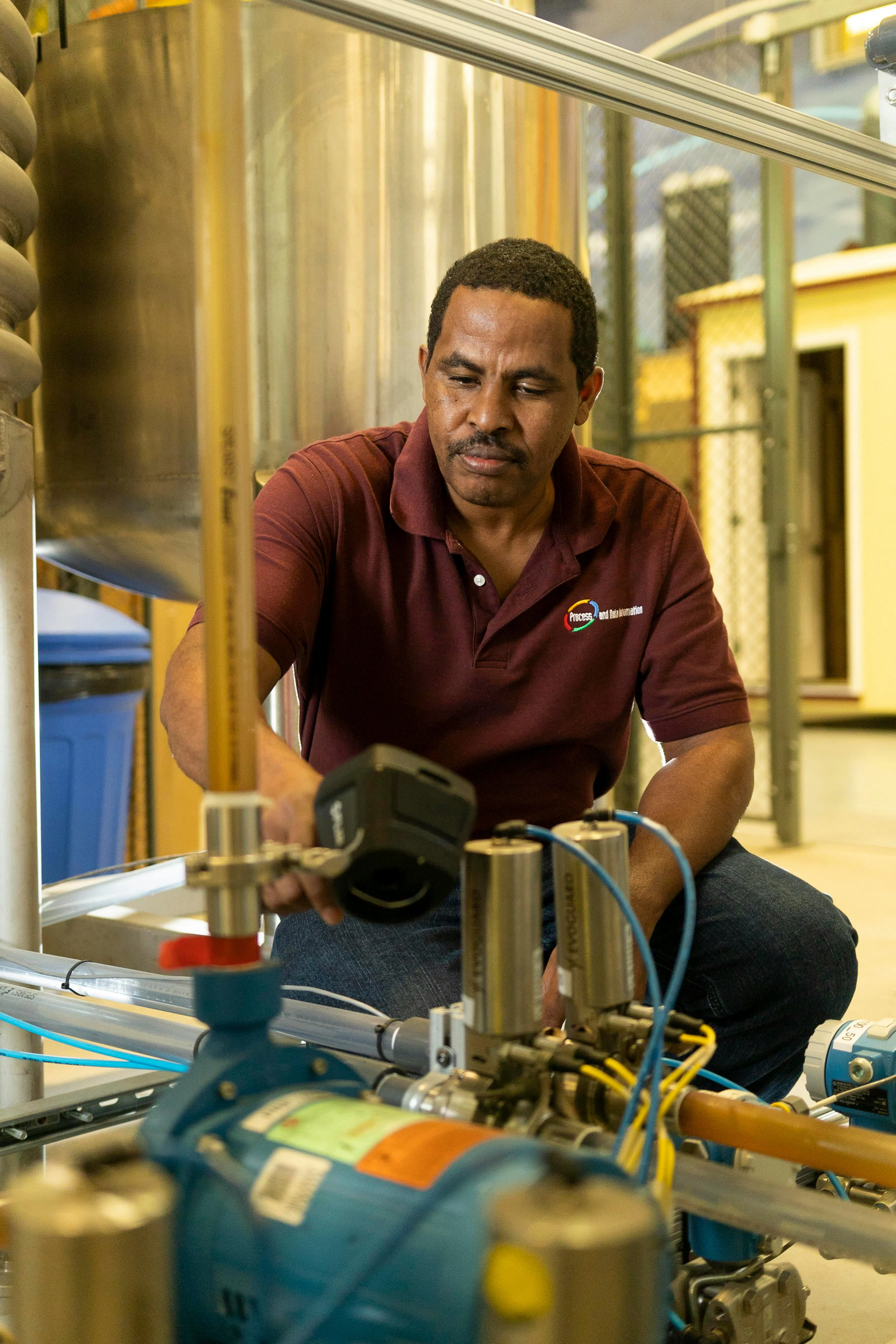
Jeremy Anderson, president, Process and Data Automation: PDA’s most innovative integrations involve connecting information from the plant floor to the top floor by utilizing a thoughtful mixture of operator input and Industry 2.0 and higher plant-floor systems to gather information as close to the source as possible and then adding contextualization to that information for transport and use by Industry 4.0 business systems. What makes our most innovative integrations unique is the ability to securely deliver this information to both the vendor and the end user in real time. This allows both parties deeper collaboration to improve total cost of ownership (Figure 1).
What percentage of your projects are standard machines vs. custom? What is the focus of custom machines? Do you work with any flagship machine?
Jeremy Anderson, president, Process and Data Automation: The vast majority of the projects employ standard machines that are individualized to the specific needs of the plant and products being produced. By focusing on individualizing standard machines, our customers benefit from the shared experience and parts of other similar machines. The best example of this is our flagship Ingeniq line, the future of the beverage industry from Krones.
What is your core business? What industries do you work in? What type of manufacturers do you work with?
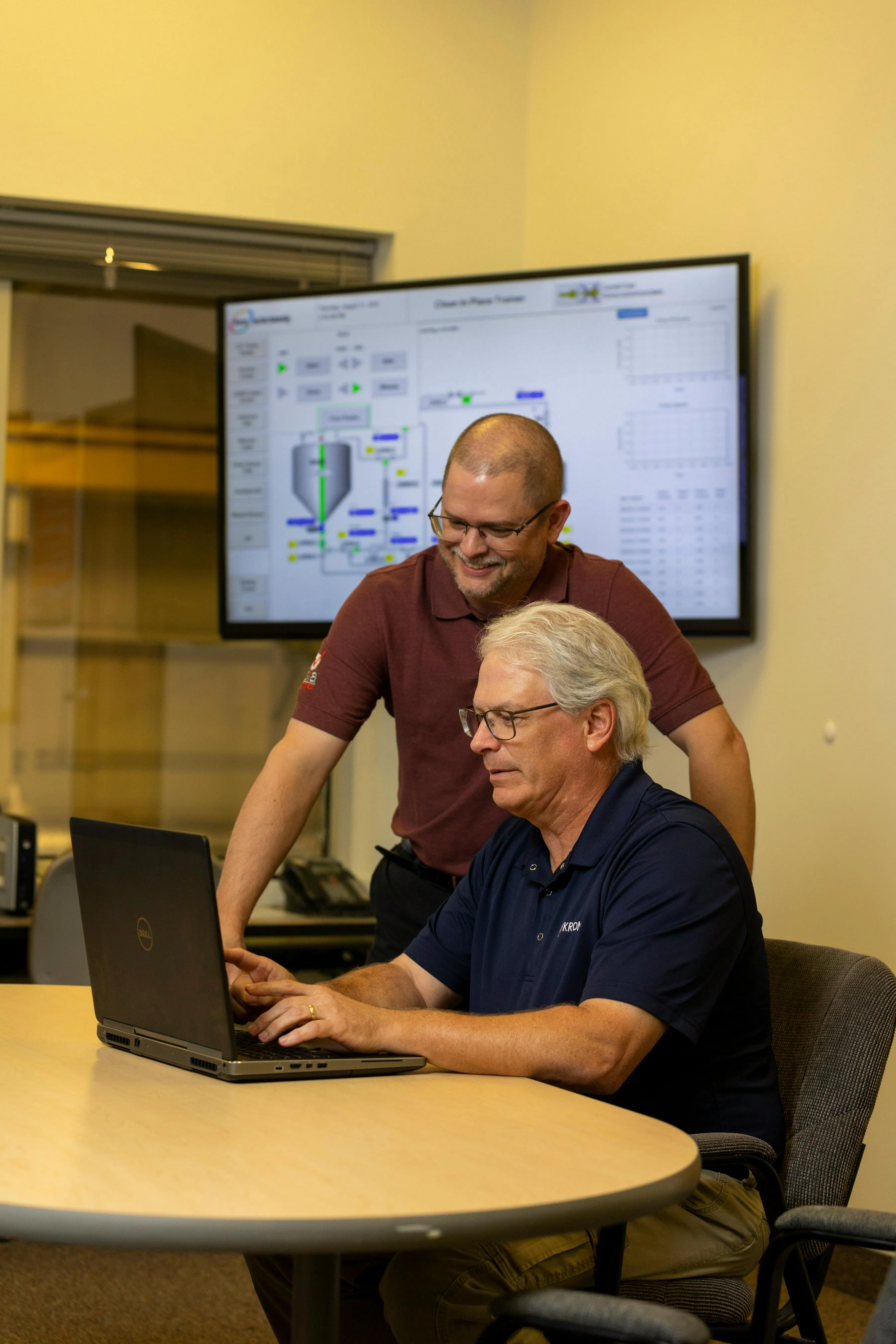
Jeremy Anderson, president, Process and Data Automation: At PDA, our core business revolves around improving the overall production output for our end clients. By examining the facets of overall equipment effectiveness (OEE)—availability, performance and quality—in each of our solutions, we work with our clients to find leverage within their automation to best improve outcomes (Figure 2). Our core industry is CPG with specialties in food, beverage and pet care.
Where do you integrate machines?
Jeremy Anderson, president, Process and Data Automation: Most of our business is in the continental United States, but our territory extends throughout North America. Recent non-U.S. countries include Canada, Guatemala and Jamaica.
Get your subscription to Control Design’s daily newsletter.
What are the important trends affecting the industries you work with and the types of machines you integrate?
Jeremy Anderson, president, Process and Data Automation: As all CPG products are highly regulated and by design consumable, the industry is continually affected by global trends like import/export, government regulations and evolving end-user needs. This presents the CPG producer with challenges, or opportunities, for better sourcing of materials or emerging markets while maintaining accurate records and meeting the growing desires of an end customer looking for better innovation and value in the products they introduce into their homes.
How much time does it typically take to go from the design stage to installation on a typical machine?
Jeremy Anderson, president, Process and Data Automation: An average project of five to eight machines will take us nine months from design to installation.
What are your supplier preferences and why? How does each component type and/or its technology enhance your machines? How often do you rely on customers to dictate component choice?
Jeremy Anderson, president, Process and Data Automation: For control, it’s Rockwell Automation, Siemens and Modicon, based on end client specification. For motion, Rockwell, Yaskawa and Modicon. Siemens and Endress+Hauser are preferred for sensing.For communication protocols for data transmission, EtherNet/IP and OPC/UA. We’re also an Inductive Automation Premier Integrator. All components and safety are done to client specification.
How does data enhance your machine integration? Do you integrate machines that use edge computing? Do you integrate remote connectivity to machines? How do the machines you work with use analytics?
Jeremy Anderson, president, Process and Data Automation: Our core offering is enhancing machine functionality by exposing its underlying raw data to upper-level business systems. This routinely requires edge computing and other means of remote connectivity. This can be for use with the end client’s analytic systems, our own packaged solutions or various third-party systems. The goal is always to find the best fit for the client to contextualize and utilize the data to improve their performance.
What is required for typical maintenance on the machines you work with? How do end users limit downtime?
Jeremy Anderson, president, Process and Data Automation: Smart alarming, such as our Shopfloor Guidance, allows OEMs and end users to define service intervals and watchpoints that are indicative of maintenance. By seeing how a machine is trending in critical performance criteria, plants can better plan service to limit downtime.
About the Author
 Mike Bacidore
Mike Bacidore
Editor in Chief
Mike Bacidore is chief editor of Control Design and has been an integral part of the Endeavor Business Media editorial team since 2007. Previously, he was editorial director at Hughes Communications and a portfolio manager of the human resources and labor law areas at Wolters Kluwer. Bacidore holds a BA from the University of Illinois and an MBA from Lake Forest Graduate School of Management. He is an award-winning columnist, earning multiple regional and national awards from the American Society of Business Publication Editors. He may be reached at [email protected]
 Leaders Logo
Leaders relevant to this article: