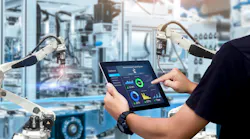
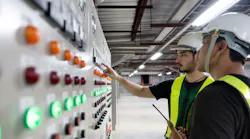
As machine builders embed edge computing, IoT connectivity, predictive-maintenance capabilities and intelligent software directly into equipment, manufacturers are gaining access to unprecedented quantities of operational data. Adrienne Meyer, CEO of the Control System Integrators Association (CSIA), believes this trend will create more opportunities for independent system integrators rather than making their traditional role obsolete.
The opportunity comes from complexity. Manufacturing facilities rarely consist of equipment from one supplier or one generation of technology. Integrators can become "technology orchestrators," connecting data from disparate systems, integrating OT with enterprise systems, developing analytics and creating a unified view of operations. Cybersecurity represents another major opportunity as connectivity between edge, cloud and enterprise systems increases the need for secure architectures, risk assessment, network segmentation and cybersecurity governance.
Meyer also sees growth in lifecycle services, AI and advanced analytics. Instead of completing an automation project and moving on, integrators can provide ongoing optimization, performance monitoring, software updates, cybersecurity support and predictive-maintenance services. AI still requires experts who understand manufacturing processes, data quality and plant-floor realities, giving integrators an opportunity to become trusted advisors connecting technology to business objectives. Ultimately, Meyer sees system integrators expanding beyond individual controls projects into strategic partners capable of connecting machines, facilities, data and enterprise systems across an entire manufacturing operation.